At Halo, we build brand ecosystems that help industrial companies stand out, scale confidently, and communicate their value with clarity and impact.
Legacy Is Not a Growth Strategy
Yes, many companies in the sector have succeeded under names like Tremblay & Fils or Services Industriels Durocher, often without a cohesive visual identity or consistent brand message.
But they’re not succeeding because of that, they’re succeeding despite it.
Why? Because they have:
A solid operational track record
Long-term B2B partnerships
A reputation built over decades
That reputation carries weight, but only up to a point.
In a changing market, legacy needs translation. And that’s where branding comes in.
What a Strategic Brand Enables in the Industrial Sector
At Halo, we don’t treat branding as surface-level design. We build brand ecosystems that align with your business realities and operational structures.
Here’s what that means for an industrial company:
1. A Strong Brand Creates Clarity
Branding isn’t just about perception, it’s about structure and clarity.
A cohesive brand gives your company a clearly defined identity that’s instantly understandable, both internally and externally.
It allows your audience to grasp your values, positioning, and ambition without needing a sales pitch.
Internally, it aligns your team around a shared vision and purpose.
Externally, it positions you as a dominant, recognizable force in your sector — with a value that’s visible before a single conversation even begins.
In short, strong branding speaks for you, and often more effectively than words.
2. Clarified Market Positioning
A clearly articulated value proposition and brand narrative help your company:
Enter new verticals or geographic markets
Differentiate from competitors with similar service offerings
Move away from price-based competition
3. Increased Credibility Across Touchpoints
From your capability statement to your website, every client-facing asset should communicate:
Professionalism
Operational scale
Technical expertise
Compliance and certifications (ISO, LEED, etc.)
Consistent branding ensures that perception aligns with performance.
4. Support for Talent Acquisition & Retention
In a labor-constrained market, your employer brand matters. A strong brand identity helps:
Attract qualified professionals
Signal company culture and values
Create alignment between internal and external messaging
5. Scalability and M&A Readiness
If your company is planning to grow through acquisitions, enter new sectors, or raise capital, a well-structured brand:
Reduces integration friction
Enhances perceived enterprise value
Enables coherence across sub-brands and business units
“But It Worked Before Without Branding…”
A common objection we hear:
“They’ve never invested in branding and they’re doing fine.”
True. But in most cases, their growth isn’t replicable. They’re leveraging decades of inertia, not a scalable model.
And in today’s ecosystem, digital-first, highly competitive, and procurement-driven, new players can’t rely on being “just known.”
Visibility is not branding.
Branding is what makes people remember, trust, and choose you — especially when the offer looks similar.
What Industrial Branding Looks Like When Done Right
Not just a logo.
A proper industrial branding mandate includes:
Brand audit & competitive landscape analysis
Strategic positioning & messaging architecture
Visual identity system (not just a logo, a modular system)
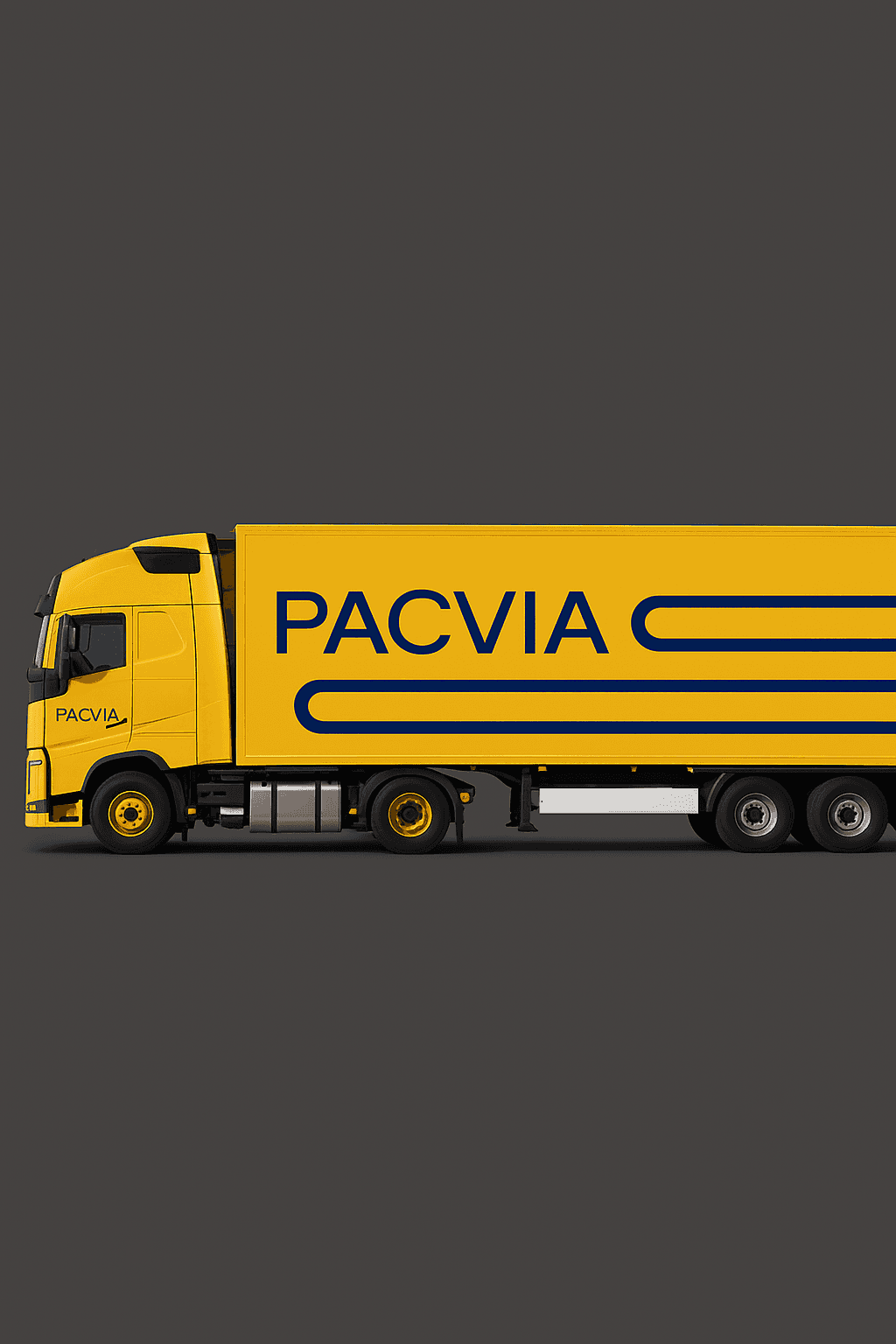
Brand guidelines applicable to field operations (vehicles, uniforms, site signage)
UX-oriented website optimized for RFPs, B2B conversion, and bilingualism (when in Canada)
Employer brand narrative to support HR efforts
In Conclusion
Branding in industrial contexts is not only about looks. It’s about:
Building trust faster
Communicating complexity clearly
Positioning your business for the next decade, not the last one
At Halo, we specialize in bridging the gap between creative strategy and operational reality.
If your business is evolving, your brand should reflect it, intentionally, cohesively, and with clarity.

Let’s keep in touch.
Discover more about Creativity. Follow us on Instagram and LinkedIn.